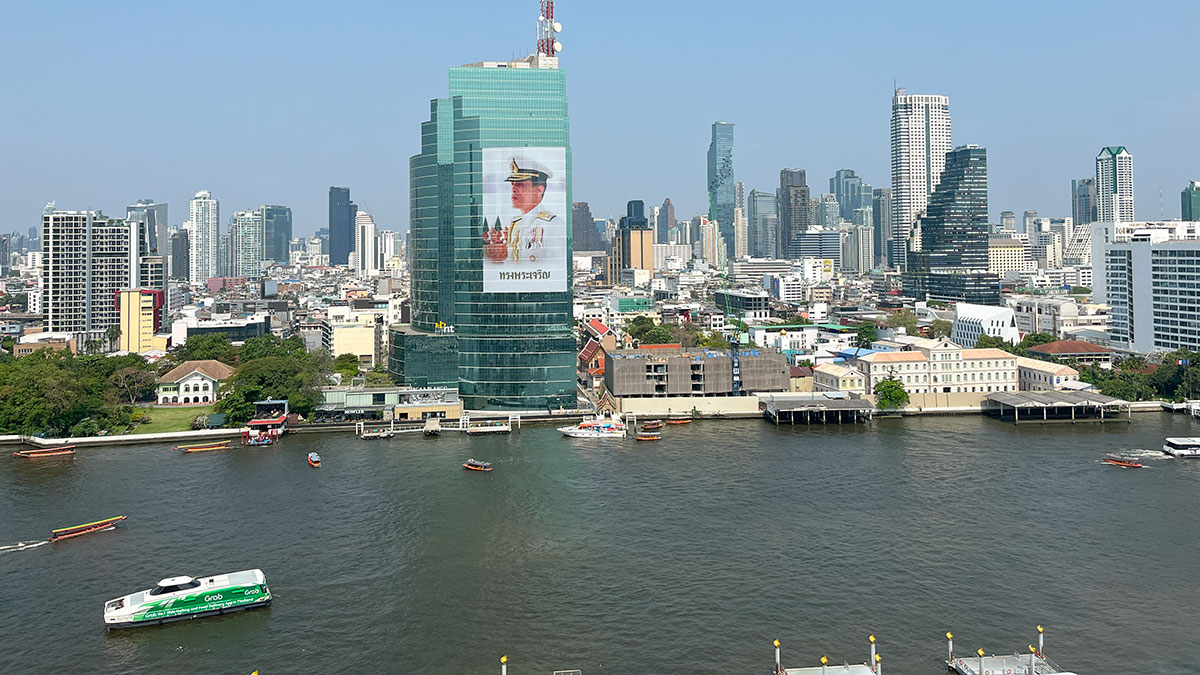
In many parts of the world, the mall is an artifact of the late 20th century, an air-conditioned, often sterile monument to consumerism. Across America for instance, once-bustling shopping centers now stand semi-abandoned, outpaced by online retail and changing lifestyles. But in Bangkok, the mall is not in decline. It is thriving, dynamic, and central to urban life. In Thailand’s capital, malls are more than just retail spaces they are cultural hubs, social arenas, escape valves for the tropical heat, and microcosms of Thailand’s constantly shifting identity. When everyday is a battle against the tropical heat, the malls of Bangkok are a needed escape for it’s citizens. Let’s explore the culture within the modern day Bangkok mall.
A Mall for Every Mood
Bangkok has more than 120 shopping malls, each one serving a distinct purpose or demographic. There is the luxury opulence of ICONSIAM, the youthful energy of Siam Center, the high-fashion gloss of EmQuartier, the electronics haven of Pantip Plaza, the working-class MBK Center, and Chatuchak’s retail cousins, like Union Mall or JJ Mall. The Bangkok mall is an eclectic mix of different themes and ideas.
These malls differ not just in their clientele and merchandise, but in their very architecture and atmosphere. At Central Embassy, a sleek, curving tower of glass and steel built on the site of the old British Embassy, minimalist design and high-end brands signal cosmopolitan sophistication. Terminal 21, by contrast, embraces playful kitsch, with each floor themed around a different city—from the bathrooms of Tokyo to the London-style double-decker buses. Here you will find many of Bangkok’s youth population and an affordable food court with a huge variety of Thai food.
Together, these spaces within a Bangkok mall form a kind of architectural collage: temples to taste, identity, and aspiration.
From Wet Markets to Marble Floors: A Brief History
The rise of malls in Bangkok mirrors Thailand’s rapid urban development. Before the 1980s, Bangkok’s retail life centered around wet markets, traditional shopfronts, and outdoor vendors. While markets still exist and remain beloved, especially among older generations and tourists, the urban middle class, rising in both number and purchasing power during the 1980s and 1990s, sought comfort, predictability, and air-conditioning.
Thailand’s first American-style mall, Siam Center, opened in 1973, though it wasn’t until the late 1980s and 1990s that malls began dominating the cityscape. Developers like Central Group and The Mall Group raced to build multi-use retail centers that combined shopping, dining, entertainment, and, increasingly, transit access. By the 2000s, Bangkok’s skyline began reflecting its vertical consumerism: malls with attached condos, office towers, and hotels. All of which being sealed off ecosystems that contained nearly everything a modern urbanite might need.
The Mall as a Social Space
In Bangkok, the mall is not just a place to shop, it’s a venue for everyday life. Teenagers meet friends in food courts. Families spend weekends at indoor playgrounds and movie theaters. Couples go on dates, students study at Starbucks, and retirees walk their morning circuits before the crowds arrive. The malls serve a purpose for all of Bangkok’s citizens and visitors.
In a city where heat and rain can be oppressive, malls offer refuge. For many Bangkokians, especially those without access to parks or private air conditioning, the mall is the closest thing to public space. It is often preferred to go spend a few hours at the local mall rather than running one’s home AC all day long, as this is costly in the dangerously hot environment. Therefor malls serve the function of a town square, albeit one with brand sponsorship.
And while critics may scoff at the idea of a corporate space substituting for genuine public life, the reality in Bangkok is nuanced. The mall is one of the few places where people from different classes can physically share space. Rich and poor may shop at different stores, but they often eat in the same food court. An MBK foot massage costs the same whether you’re a tuk-tuk driver or a wealthy Japanese tourist. In this sense, Bangkok’s malls are less exclusive than many of their Western counterparts.
Food Courts and the Gastronomic Economy
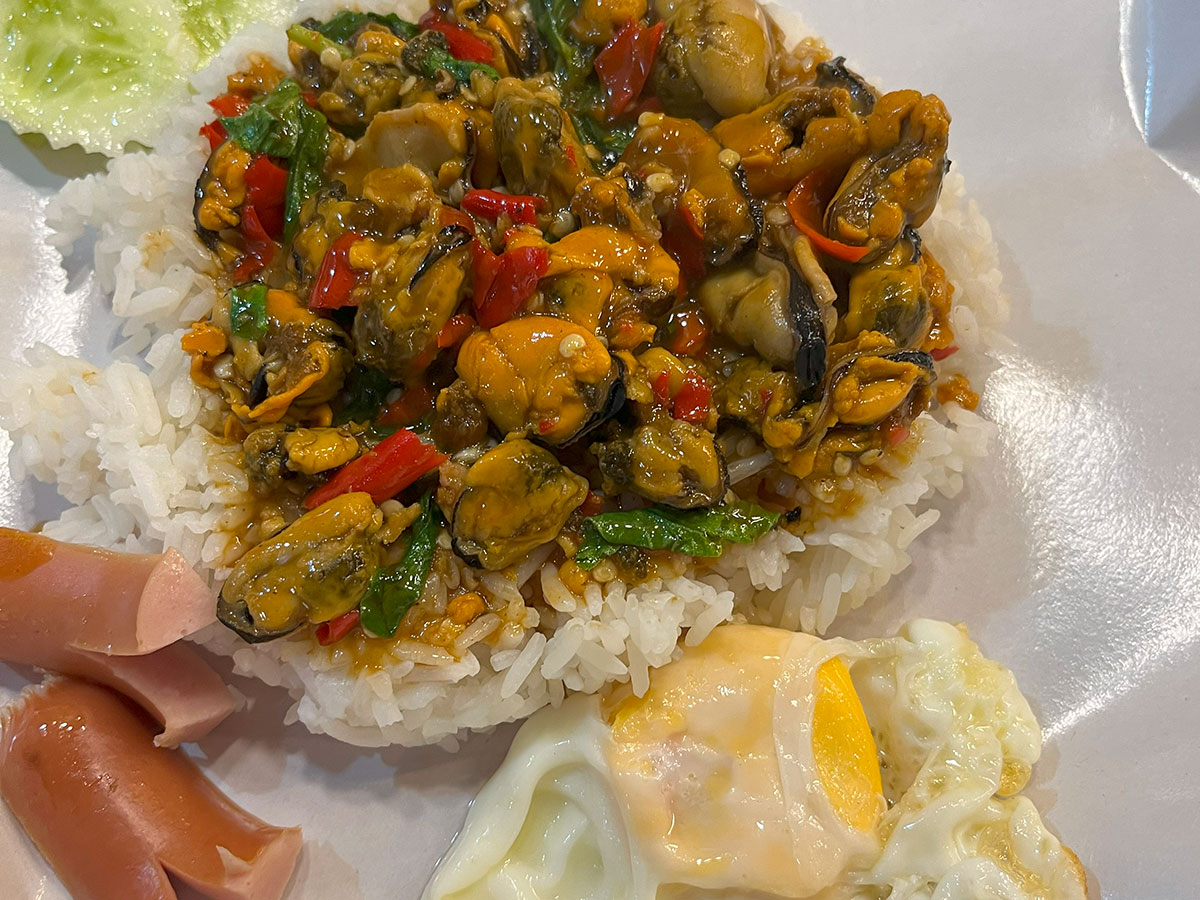
One of the major reasons Bangkok’s malls are so central to daily life is their food. In many Western countries, mall food courts are uninspiring collections of chain eateries. Therefore, you would not visit one for the food. In Bangkok though, they are culinary destinations. From 30-baht bowls of khao man gai (chicken rice) to Michelin-rated som tam (papaya salad), mall food courts offer an astonishing range of affordable, high-quality meals.
Malls like Terminal 21 and ICONSIAM treat food as a cultural showcase. At the top of Terminal 21, you’ll find Pier 21 a food court famous for its low prices, strict hygiene, and vast selection. ICONSIAM, meanwhile, dedicates an entire floor to recreating a floating market indoors, complete with wooden boats and moats. The number of food choices in each mall is simply incredible, One Bangkok for instance has over 250 restaurants to choose from.
For Bangkokians, a trip to the mall often centers more on what they’ll eat than what they’ll buy. Food is the beating heart of Thai culture, and malls recognizing this have elevated their dining offerings into main attractions.
The BTS Effect: Malls and Transit-Oriented Development
One of the most important factors in the success of Bangkok’s malls is their proximity to the BTS Skytrain and MRT subway systems. Unlike many cities where malls require a car to access, Bangkok’s most popular shopping centers are directly connected to transit.
The Siam area, often referred to as the “Shibuya of Bangkok,” is the best example. The Skytrain glides above Siam Paragon, Siam Center, and MBK, offering seamless access to these retail giants. Covered walkways allow pedestrians to traverse kilometers of connected malls without ever stepping onto the chaotic streets below. If you are from America, we can safely say you have never seen anything like it before.
This transit-oriented development strategy has made malls even more central to daily life. For students, office workers, and tourists alike, malls are convenient stopping points en route to school, work, or home. Making a quick stop as easy as can be.
Beyond Shopping: Bangkok’s Malls as Lifestyle Ecosystems
In recent years, the Bangkok mall has transformed from simply being shopping centers into immersive lifestyle ecosystems. No longer just places to buy things, they now serve as curated environments where visitors can work, play, dine, and express themselves—often without ever stepping outside.
This shift reflects a deeper change in urban life. As more Bangkokians live in high-rises, commute by Skytrain, and seek comfort from the city’s traffic and heat, malls have adapted by becoming self-contained worlds. It’s now common to find co-working spaces nestled between designer boutiques, yoga studios beside sushi bars, or rooftop gardens above luxury cinemas. Many schools are located within the malls as well, providing a clean, modern, and convenient space for the students.
Take EmSphere, part of the Em District expansion, which combines an aquarium, entertainment complex, and a concert venue with high-end fashion. Or Samyan Mitrtown, which reimagines the mall as a 24-hour public space, complete with study zones, an open library, and late-night eateries; all aimed at students and night owls.
Malls are also investing heavily in aesthetics and experience. Every corner is Instagram-ready. Art installations, themed exhibitions, and pop-up concepts change with the seasons, designed less for commerce and more for capturing attention and content. What matters now is how a space feels and how it photographs.
This reimagining of the mall aligns with Thailand’s broader shift toward an experience economy. People want to be entertained, to discover, to linger. Shopping is no longer the end goal; it’s just one piece of a larger lifestyle mosaic.
Bangkok’s malls, ever attuned to the mood of the city, are leading this evolution—becoming less like stores, and more like living theaters of modern urban life.
The Future of Malls: Vertical Cities?
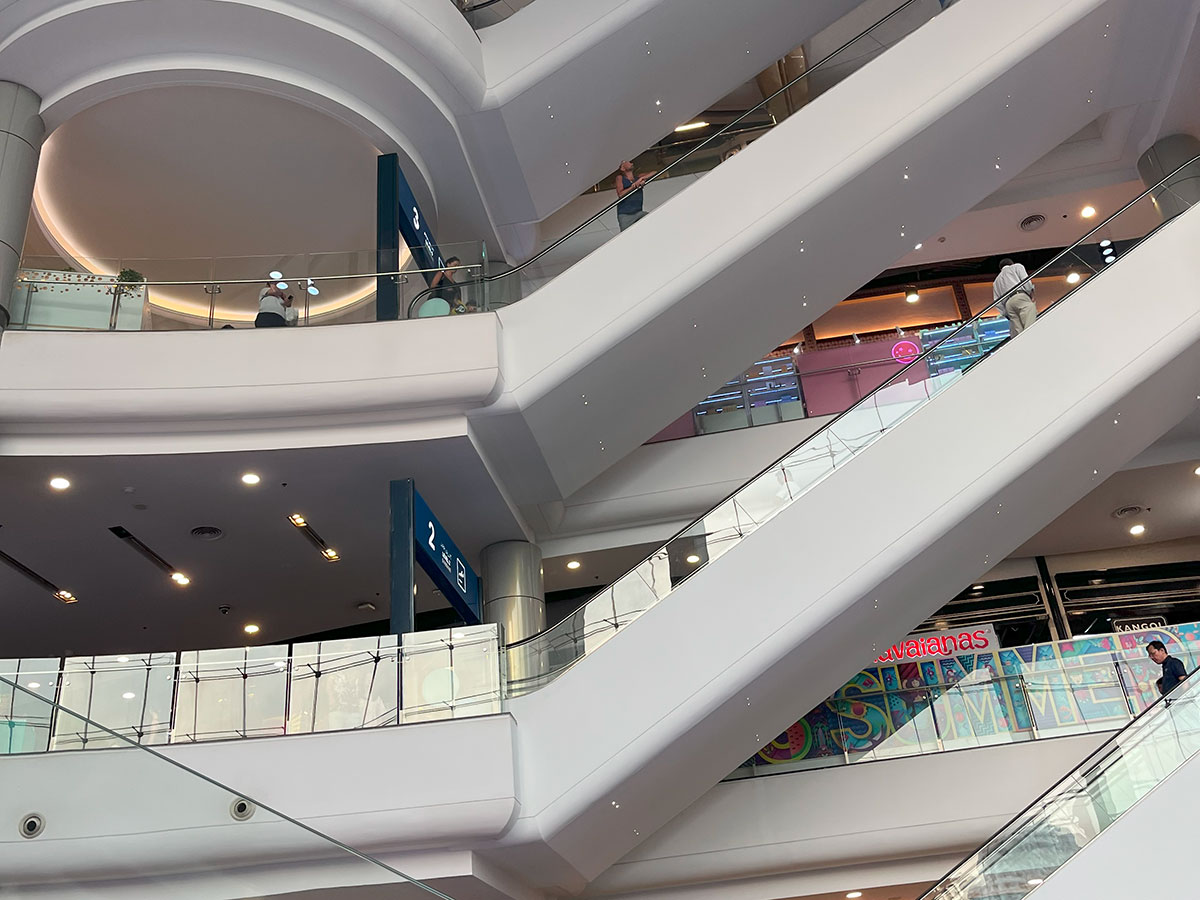
The next frontier in Bangkok’s mall culture may lie in hyper-vertical integration. Projects like One Bangkok, a sprawling mixed-use development, are poised to combine luxury retail, high-rise residences, five-star hotels, co-working spaces, and even green parks into a single seamless environment.
These are not just malls—they are engineered ecosystems, mini-cities stacked skyward. The goal is not merely to entice shoppers but to capture entire lifestyles. Critics worry that such developments may deepen class divides, offering gated bubbles for the affluent while pushing the working class further to the margins. But supporters argue that they represent a more sustainable, walkable, and efficient model for urban living.
Whatever the case, Bangkok’s mall culture is evolving, not dying.
Conclusion: The Bangkok Mall
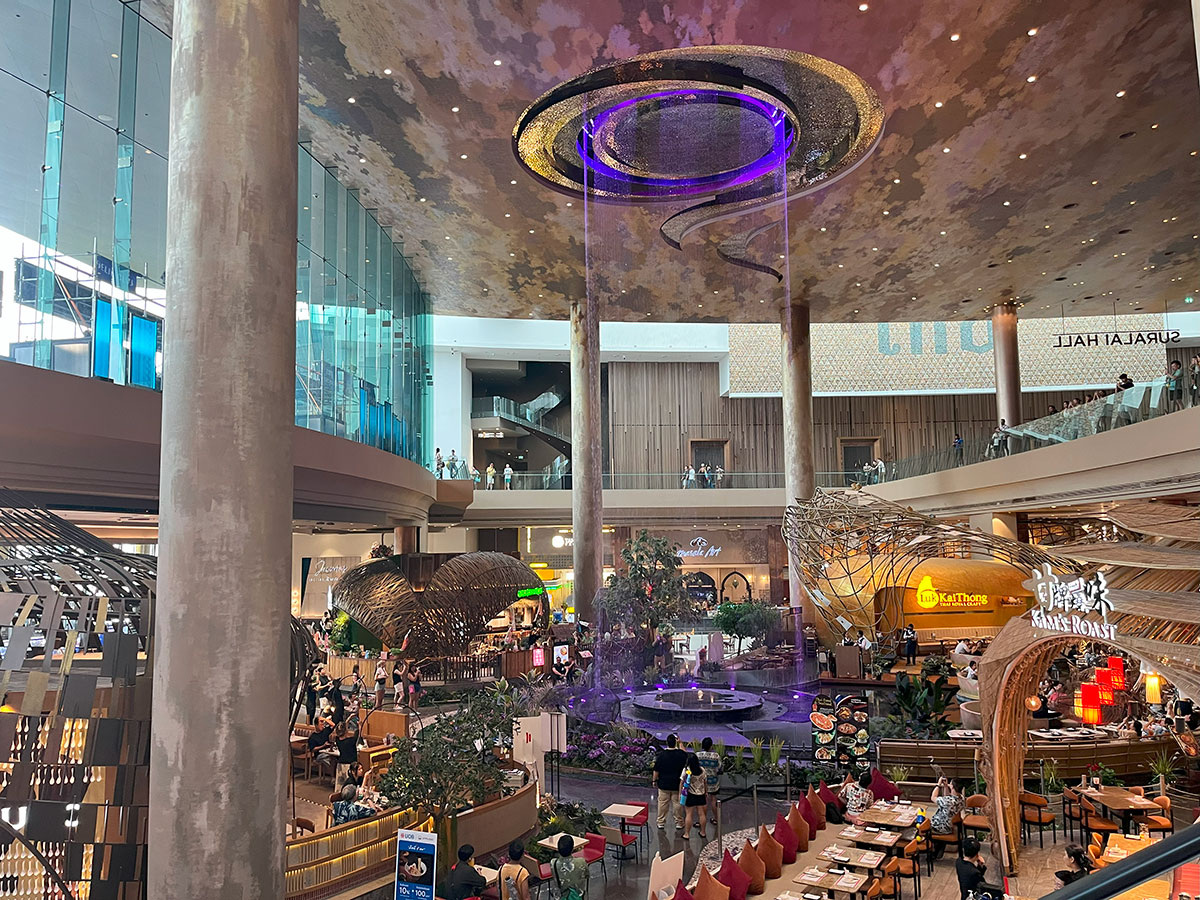
Bangkok’s malls are not neutral spaces. They are shaped by, and in turn shape, the aspirations, anxieties, and rhythms of modern Thai life. They reflect economic shifts, cultural collisions, generational change, and political undercurrents.
To a tourist, they may seem simply like glittering cathedrals of consumerism. But to many Bangkokians, the mall is where life happens. It is where people go not just to spend, but to be: to meet, to eat, to cool off, to protest, to play, to dream.
In a city known for its contradictions, ancient temples beside luxury condos, street food next to Michelin star luxury restaurants, the mall is a fitting metaphor: commercial, chaotic, curated, and always evolving.
The Bangkok mall is not an end-stage of capitalism. It’s a living organism.
And for now, at least, it’s still the heart of the city.

Be First to Comment